If your joints feel stiff in the morning, your energy crashes after meals, or your body just feels off more often than it should, food may be part of the reason. A lot of people search for what foods lower inflammation because they want something practical they can do today, not a long lecture on biochemistry. The good news is that everyday meals can either push inflammation higher or help calm it down.
Inflammation is not always bad. Your body uses it to heal injuries and fight infections. The problem starts when low-grade inflammation sticks around for too long. That kind of ongoing inflammation has been linked with weight gain, heart problems, blood sugar issues, digestive trouble, and general fatigue. You cannot fix everything with food alone, but your diet can make a real difference.
What foods lower inflammation in real life?
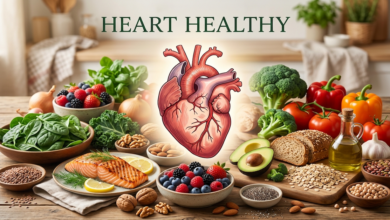
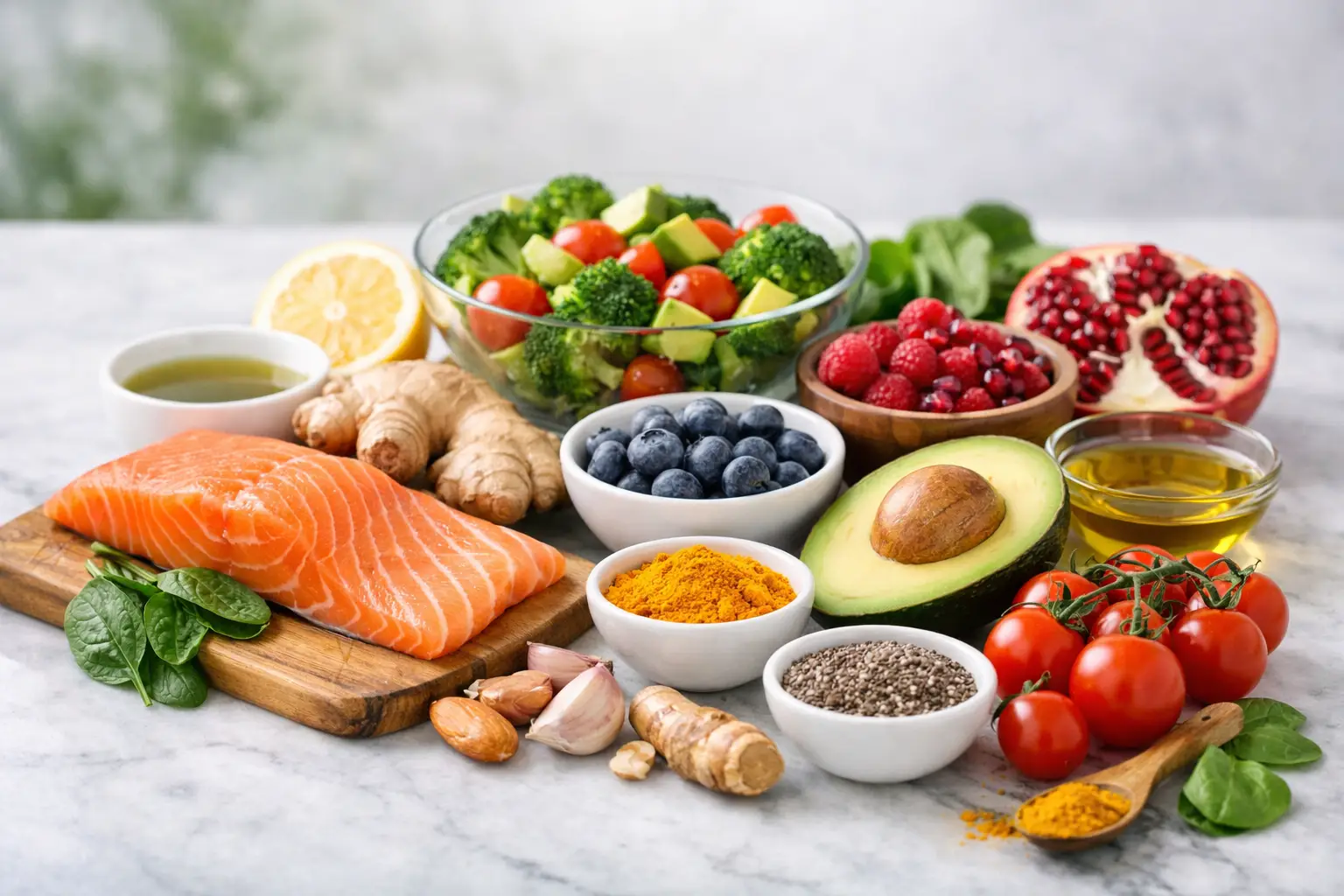
The best anti-inflammatory foods are usually the least dramatic ones. They are simple, familiar, and easy to work into meals you already eat. Think fruits, vegetables, fatty fish, beans, nuts, seeds, olive oil, herbs, and less processed carbohydrates.
What matters most is your overall pattern. One salad does not cancel out a week of ultra-processed snacks and sugary drinks. On the other hand, small steady upgrades can change how you feel over time.
Berries and colorful fruit
Berries are one of the easiest places to start. Blueberries, strawberries, raspberries, and blackberries contain plant compounds called antioxidants that help protect cells from damage. Cherries, oranges, grapes, and pomegranates can also support a lower-inflammation eating pattern.
Fresh fruit is great, but frozen works too and often costs less. That makes it easier to stay consistent. Add berries to oatmeal, plain yogurt, or a smoothie instead of reaching for pastries or sugary cereal.
Leafy greens and cruciferous vegetables
Spinach, kale, arugula, collard greens, broccoli, Brussels sprouts, and cauliflower are strong choices when you want foods that support recovery and long-term health. They provide vitamins, minerals, fiber, and plant compounds that help your body handle oxidative stress.
If you do not love salads, do not force it. Roast broccoli with olive oil, stir spinach into eggs, or add cauliflower to soups. The best vegetables are the ones you will actually eat regularly.
Fatty fish
Salmon, sardines, trout, herring, and mackerel are rich in omega-3 fats, which are well known for helping balance inflammatory processes in the body. If your current protein routine leans heavily on processed meat or fried fast food, swapping in fish a couple of times a week can be a meaningful upgrade.
Canned salmon and sardines are often underrated. They are convenient, affordable, and useful for quick lunches. If you do not eat fish, you can still get some benefit from walnuts, chia seeds, and flaxseeds, though plant sources do not work exactly the same way as fish-based omega-3s.
Extra virgin olive oil
Olive oil is one of the most practical anti-inflammatory staples because it replaces less helpful fats without making your meals feel restrictive. Extra virgin olive oil contains compounds that may help reduce inflammation, especially when used in place of heavily processed oils or butter-heavy meals.
Use it for roasting vegetables, making simple dressings, or drizzling over beans, fish, and grain bowls. It is not magic, but it is one of those small changes that adds up fast.
Nuts and seeds
Almonds, walnuts, pistachios, chia seeds, flaxseeds, and pumpkin seeds offer healthy fats, fiber, and minerals that support better overall health. They also make it easier to snack in a way that does not spike and crash your energy.
Portion size still matters. Nuts are healthy, but they are calorie-dense. A small handful is usually enough. If you tend to overeat them straight from the container, portion them into smaller servings ahead of time.
Beans and lentils
Beans, chickpeas, black beans, kidney beans, and lentils are affordable, filling, and helpful for blood sugar control. That matters because frequent blood sugar spikes can contribute to inflammation over time.
These foods also make it easier to eat less processed meat without feeling hungry an hour later. Add beans to soups, tacos, salads, or rice bowls. Lentils work well in stews and simple meal-prep lunches.
Whole grains
Oats, quinoa, brown rice, farro, and barley can fit well into an anti-inflammatory diet, especially when they replace refined carbs like white bread, pastries, and sugary packaged snacks. Fiber plays a big role here. It supports gut health, and a healthier gut can influence inflammation levels.
That said, not everyone feels their best with every grain. If you notice bloating or digestive discomfort, it may help to test different options rather than assuming all grains are a problem.
Herbs, spices, and tea
Turmeric, ginger, garlic, cinnamon, and green tea are often mentioned in conversations about inflammation, and for good reason. They contain compounds that may help support a healthier inflammatory response.
Still, keep expectations realistic. Sprinkling cinnamon on a sugar-loaded coffee drink will not make the drink anti-inflammatory. These foods help most when they are part of a generally solid eating pattern.
Foods that often make inflammation worse
If you are trying to feel better, it helps to know what may be working against you. The biggest troublemakers are usually sugar-heavy drinks, highly processed snack foods, refined carbs, deep-fried foods, and processed meats like hot dogs, bacon, and some deli meats.
Alcohol can also be a factor, especially in larger amounts. Some people tolerate small amounts reasonably well, while others notice worse sleep, more puffiness, joint pain, or digestive issues after drinking. It depends on the person, the amount, and the rest of their routine.
You do not need a perfect diet to make progress. Reducing the foods that trigger inflammation more often, while increasing the foods that support recovery, is usually more realistic and more effective than trying to eat flawlessly.
How to build meals with foods that lower inflammation
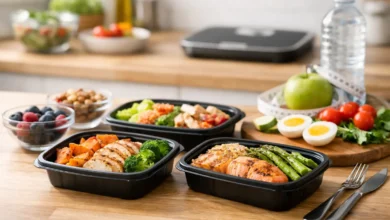
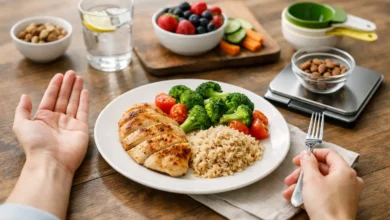
This gets easier when you stop thinking in terms of superfoods and start thinking in terms of meal structure. A solid anti-inflammatory meal usually includes a protein source, a high-fiber carb, healthy fat, and produce.
Breakfast could be oatmeal with berries, chia seeds, and walnuts. Lunch might be a grain bowl with salmon, spinach, chickpeas, and olive oil dressing. Dinner could be grilled chicken or lentils with roasted broccoli and brown rice. These are not fancy meals, but they work.
Snacks matter too. A piece of fruit with almonds, plain yogurt with berries, or hummus with vegetables will usually support your goals better than chips, candy, or pastries. Convenience matters, so keep easy options around.
What foods lower inflammation if you’re on a budget?
You do not need expensive powders, supplements, or specialty products. Some of the best anti-inflammatory staples are budget-friendly. Frozen berries, canned beans, oats, brown rice, carrots, cabbage, onions, canned salmon, and bulk lentils can go a long way.
Buying fewer ultra-processed snack foods can free up room in your grocery budget for better basics. That trade-off often helps both your health and your wallet.
A few important reality checks
Food is powerful, but it is not the whole picture. Sleep, stress, movement, smoking, and body weight all influence inflammation too. Someone eating well but sleeping five hours a night and living in constant stress may still struggle.
Also, some symptoms that people blame on inflammation need medical attention. Ongoing pain, swelling, digestive distress, unexplained fatigue, or sudden changes in your health should not be brushed off. Diet can support your health, but it does not replace proper care.
If you have a condition like diabetes, kidney disease, inflammatory bowel disease, or food allergies, your best food choices may need to be adjusted. Healthy eating is never one-size-fits-all.
The best way to use this information is simple: pick two or three anti-inflammatory foods you can eat this week, and build from there. Progress is easier to sustain when it feels doable. A handful of smart choices repeated often can change a lot, and that is where better health usually begins.